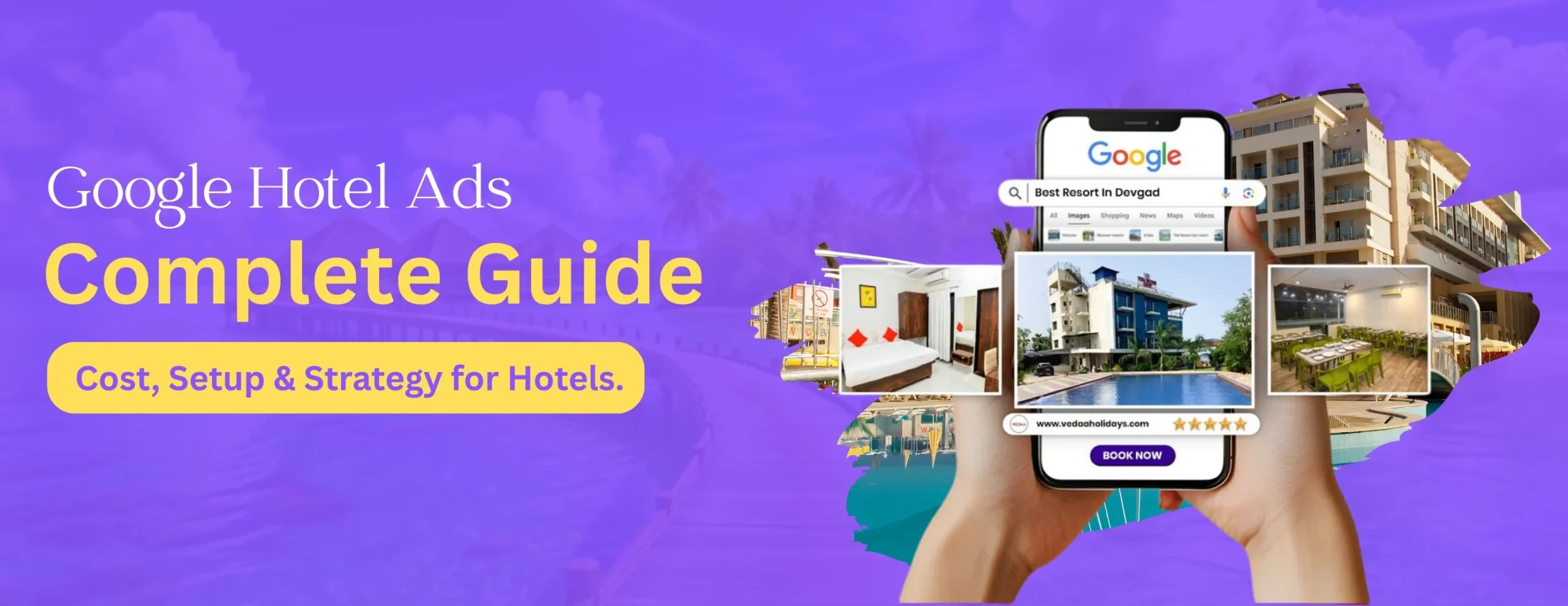
Most guests begin with a Google search. They type something like ‘hotels in Delhi’ or ‘best hotels near me’, and Google Hotel Ads determines which properties appear at the top of that list, complete with photos, prices, ratings, and a booking button.
Hotels at the top get the clicks. The ones lower down — or missing entirely — lose bookings to more visible competitors.
That is exactly what Google Hotel Ads does for your property. It puts you at the top, right in front of travellers who are already searching for what you offer.
What is Google Hotel Ads?
Google Hotel Ads is a paid platform designed specifically for hotels. Unlike standard Google Ads, which use text links and hope for clicks, Google hotel booking ads display your real-time rates, live availability, images, and reviews directly in Google Search results.
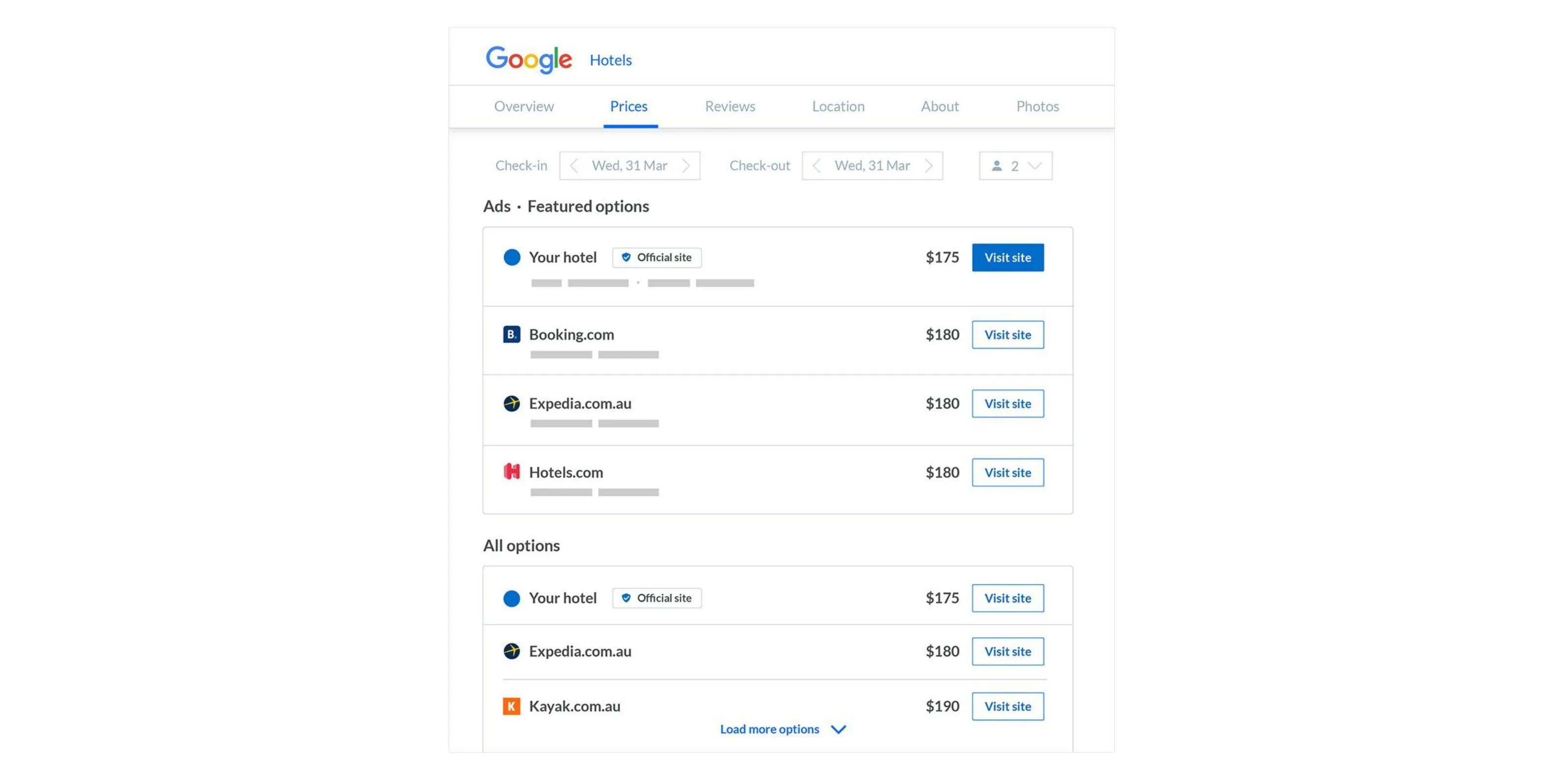
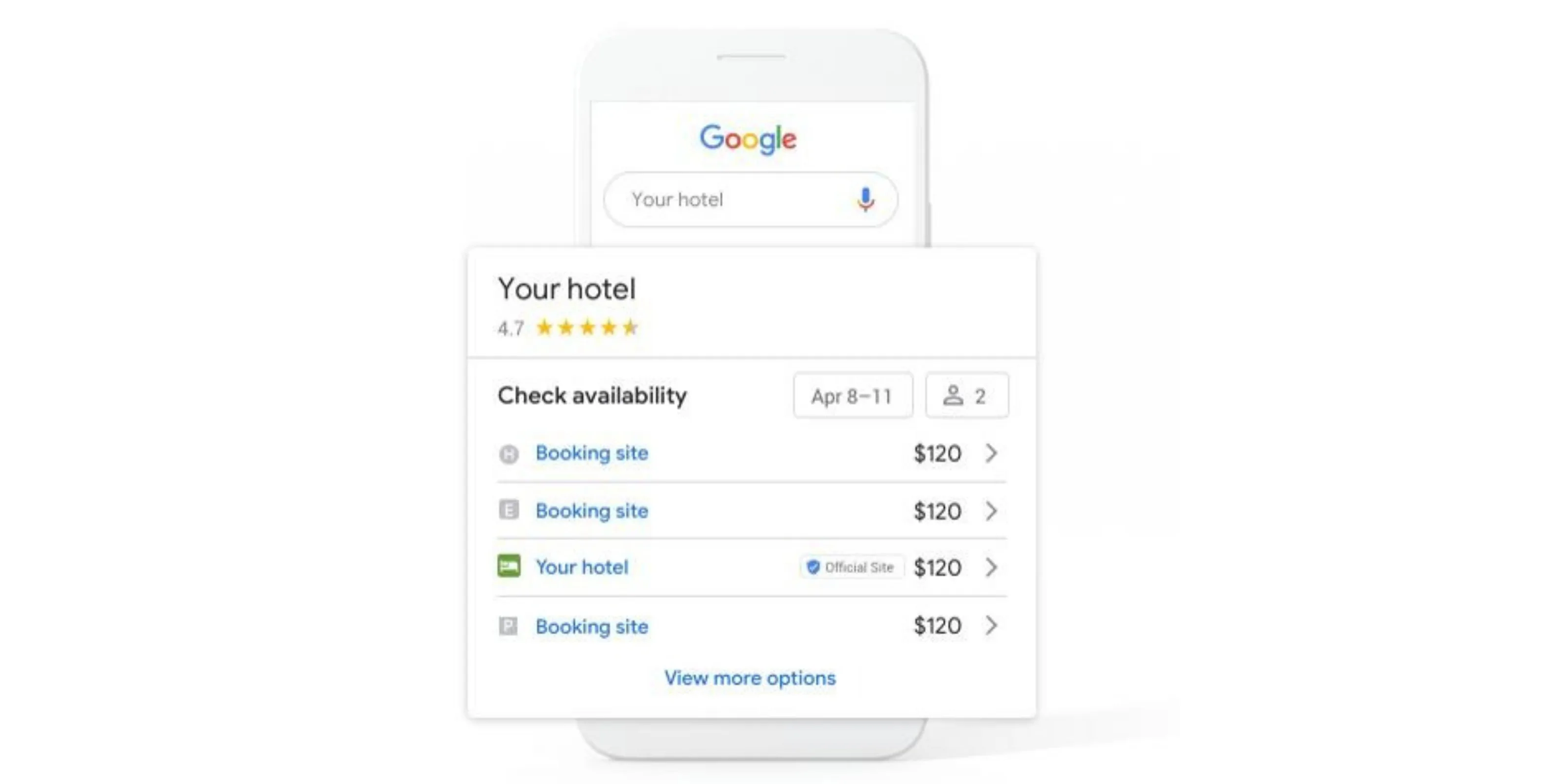
When someone searches for hotels in your city or your hotel name specifically, Google shows a special hotel booking module – a visual box with several properties listed side by side, each showing real prices for their selected dates. Your hotel can appear there, right next to whatever Booking.com or MakeMyTrip is showing for the same property.
How Google Hotel Ads Work
The process is actually quite straightforward once you understand it.
A traveller opens Google and searches for accommodation – maybe hotels near Connaught Place, Delhi, or a family resort in Goa. Google pulls up a hotel booking module alongside the regular search results. This module shows multiple properties with live pricing, star ratings, photos, and guest reviews.
Your hotel appears in that module. The traveller can see your rate, compare it to the OTAs’, and check your photos and reviews. If your listing looks good and your price is right, they click through directly to your booking page and complete the reservation.
No commission. No OTA in between. The booking and the guest are yours.
Google Hotel Ads Cost
In early 2025, Google removed commission-based bidding from Google Hotel Ads entirely. Now, pricing is strictly cost-per-click: you are charged each time someone clicks your ad, regardless of whether they book. Unlike OTAs, you do not pay a percentage of the booking value.
The three current options are:
- CPC – Cost Per Click
You set a fixed amount you are willing to pay each time someone clicks your ad. Simple, predictable, and gives you full control over what you spend each day. - CPC Percentage
Your bid is calculated as a percentage of your room rate per night. If a room costs Rs 5,000 and you bid 3 per cent, you pay Rs 150 per click. This naturally adjusts with your pricing, which is useful during seasons when your rates change frequently. - Target ROAS
With Target ROAS (Return on Ad Spend) bidding, you tell Google the return you want from your ad spend. Google then automatically adjusts your bids to achieve that return. This works best after your account has gathered several months of data for the system to learn from.
Benefits of Google Hotel Ads
The main advantage is guest ownership. A direct booking through Google Hotel Ads lets you build relationships with guests, provide loyalty offers, and increase value over time. This grows your direct guest list, an important hotel asset.
Margins improve noticeably. A Rs 10,000 booking that comes through an OTA nets you Rs 7,500 to Rs 8,500 after commission. The same booking through Google Hotel Ads costs you a small click fee – maybe Rs 200 to Rs 400, depending on your market. The difference adds up fast across a season.
Your rates appear live across Search, Maps, and Travel simultaneously. If you run a last-minute promotion or adjust pricing for a festival weekend, that update reflects immediately. No delay, no manual update across multiple platforms.
Direct bookings are cancelled less often. OTA reservations have higher cancellation rates, partly because they are easier to cancel and guests have less direct contact with your property. Guests who find you on Google and book directly are more likely to arrive.
Google Hotel Ads Setup
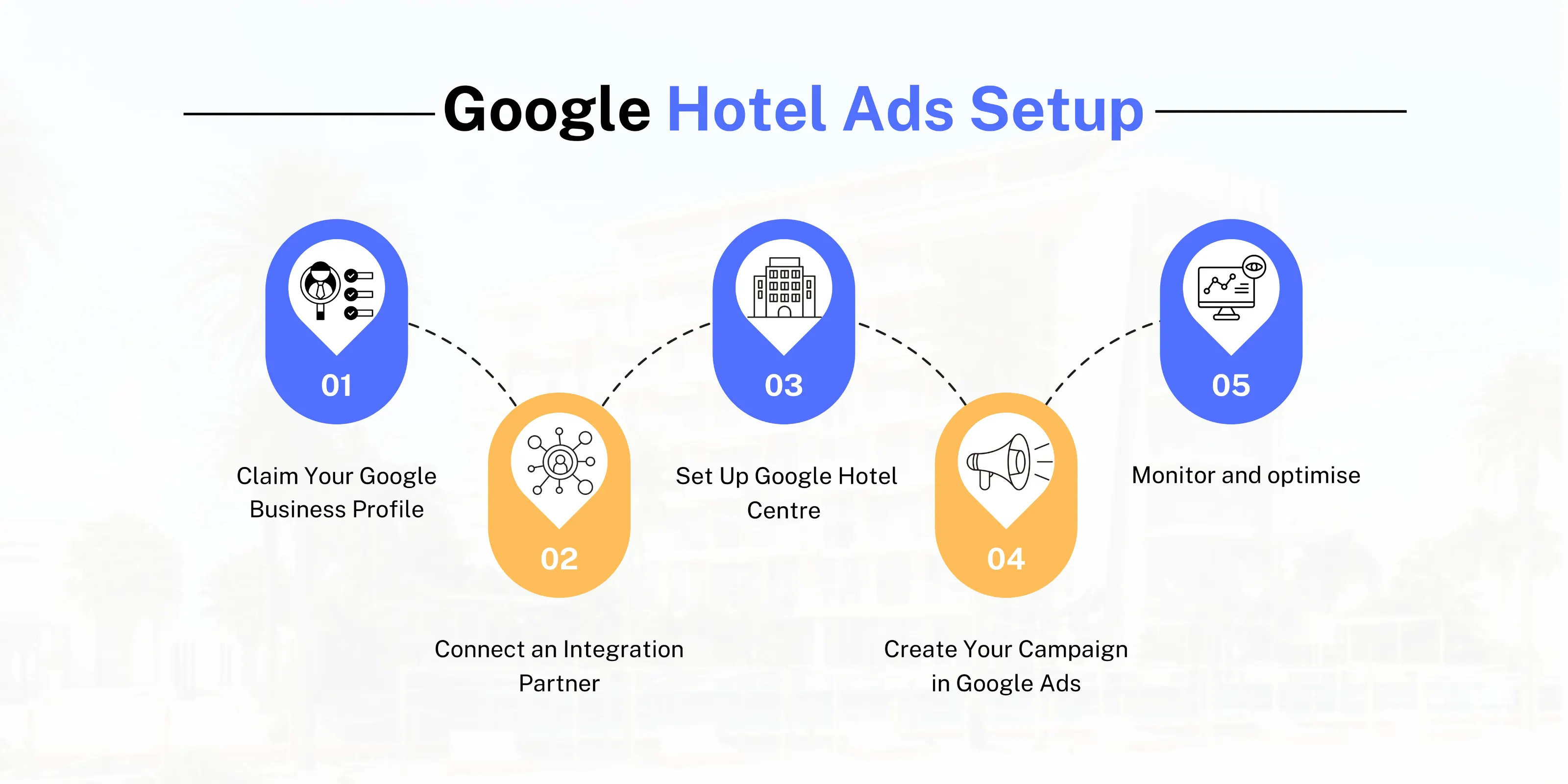
Getting started with Google Hotel Ads requires a few key steps. Here is a clear, simple breakdown.
Step 1: Claim Your Google Business Profile
If you have not done this yet, start here. It is free and takes about 20 minutes. Make sure your hotel name, address, contact number, photos, and description are complete and accurate. This is the foundation on which everything else builds.
Step 2: Connect an Integration Partner
From July 2025, hotels can no longer feed rates to Google directly through Google Business Profile. You need a certified integration partner, a channel manager, a booking engine, or a property management system to handle that connection.
Step 3: Set Up Google Hotel Centre
This is where your property’s rate feed connects to Google. Your integration partner typically handles the technical setup, but once it is live, you should verify that your rates are displayed correctly in Google search results before spending any money on ads.
Step 4: Create Your Campaign in Google Ads
Once Hotel Centre is linked, you launch your campaign through Google Ads. Choose your bidding model, set a daily budget you are comfortable testing with, define your target audience and geographic focus, and go live.
Step 5: Monitor and optimize
Once your campaign is active, regularly monitor how many bookings are coming in, which ads are performing best, and whether costs are in line with expectations. If certain dates or offers are not converting, adjust your strategy accordingly.
Google Hotel Ads Integration Partners
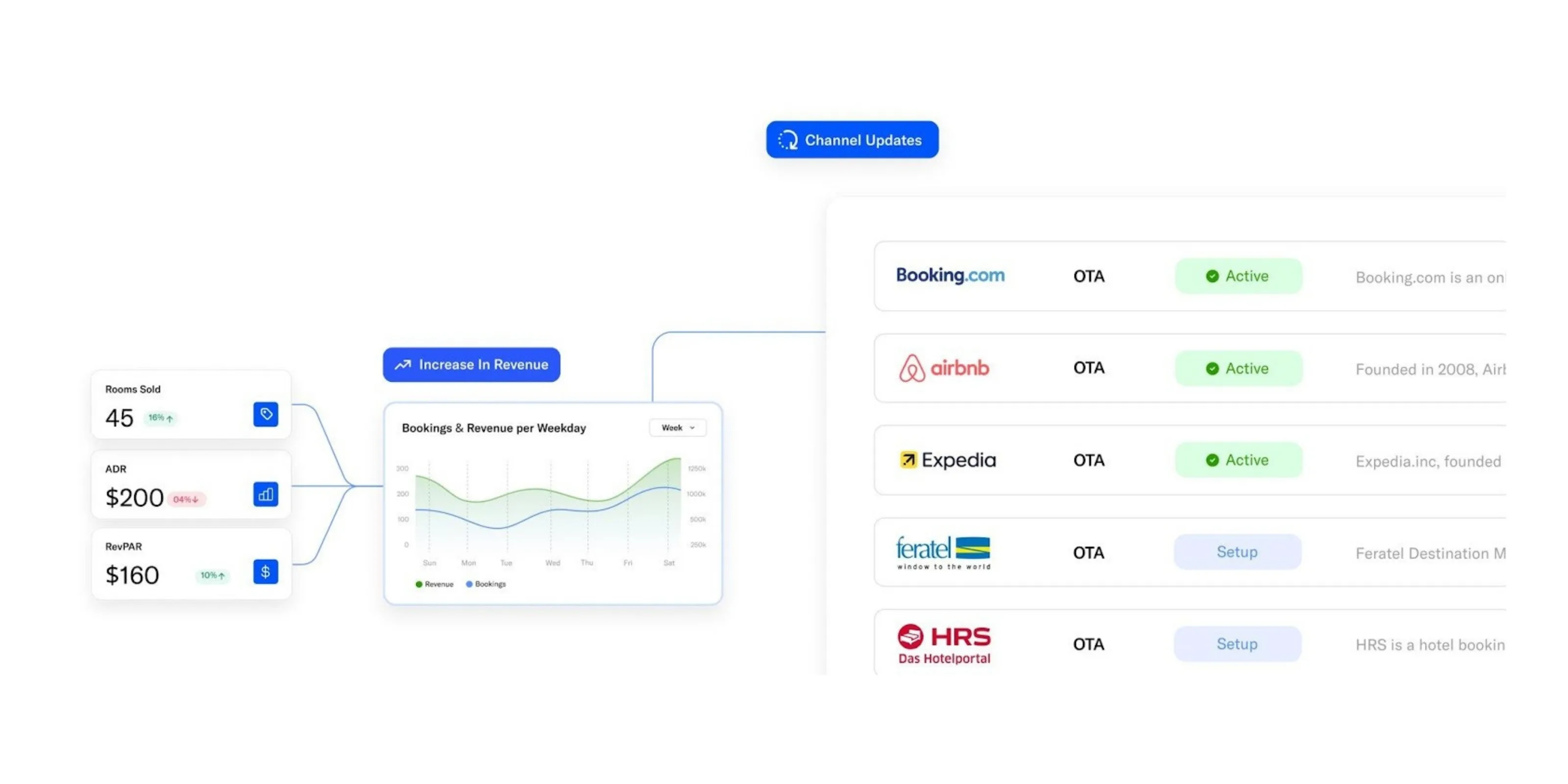
Your integration partner is the bridge between your hotel’s systems and Google. Without one, your rates simply do not appear – no matter how good your Google Business Profile looks.
A strong integration partner supplies your live rates and availability to Google and helps manage your ad campaigns – ideally from a single platform to simplify operations.
Three types of systems are typically involved. Your channel manager distributes rates across all online platforms at once, including Google. Your booking engine handles actual reservations on your website. Your property management system manages day-to-day hotel operations and, when properly connected, keeps everything synced automatically.
Well-known partners working in the Indian market include SiteMinder, RateGain, Cloudbeds, and eZee Absolute. Choosing matters carefully – a poor integration leads to rate discrepancies, which erode guest trust and can cause compliance issues with Google.
Hotel Ads Google Strategy
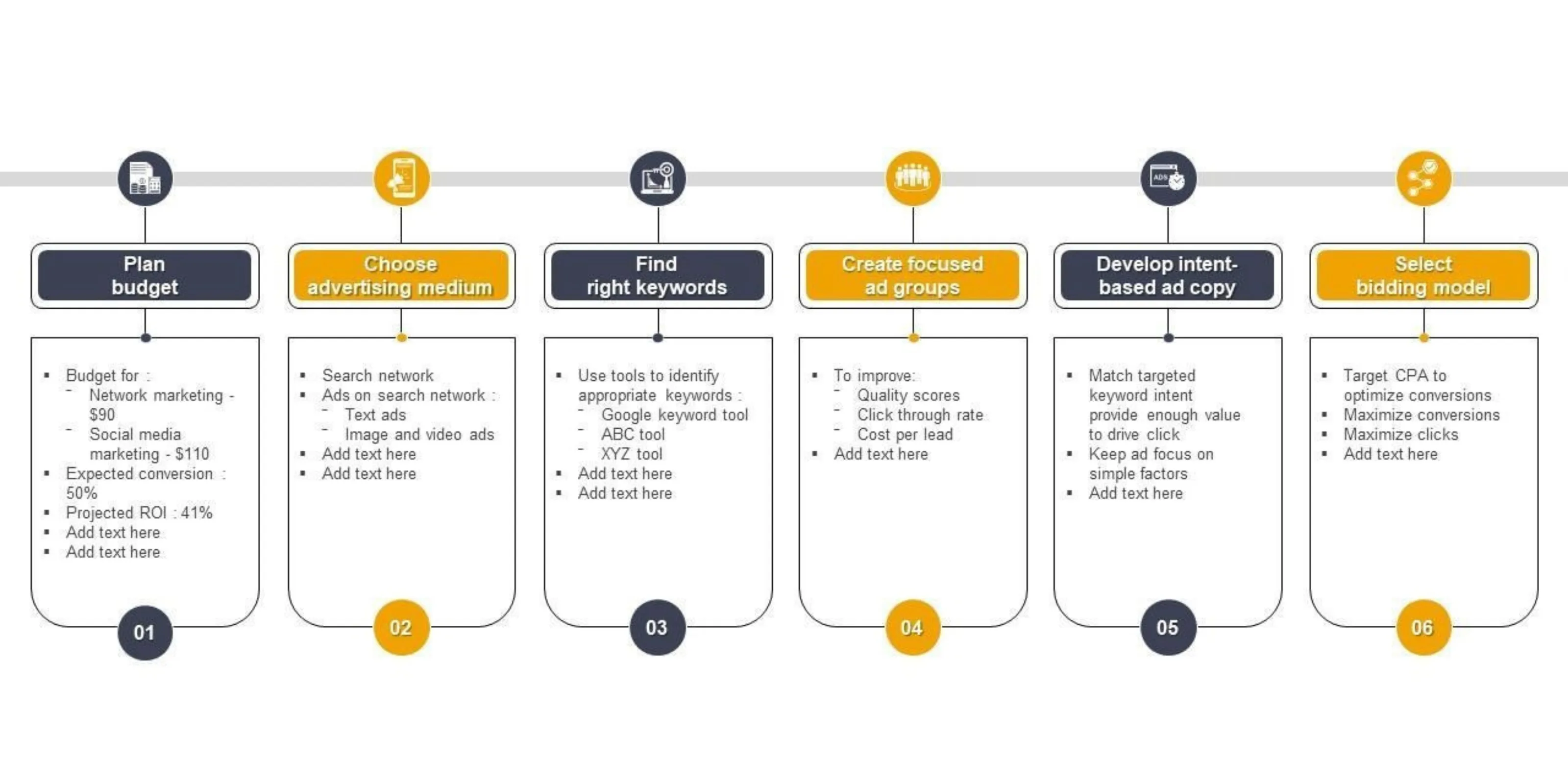 Getting your ads live is only the beginning. Getting results from them requires thinking through a proper hotel ads Google strategy.
Start with manual CPC while you are learning the platform. It keeps you in control and helps you understand how your audience behaves before handing decisions over to an algorithm. Once you have a few months of data, consider moving to Target ROAS for smarter automated optimisation.
Think carefully about geo-targeting. A heritage property in Rajasthan draws heavily from Delhi, Jaipur, and Ahmedabad. A business hotel in Hyderabad should focus its bids on Mumbai and Bengaluru, where corporate travel originates. Know where your guests actually come from and allocate your budget accordingly – do not waste spending on cities that never convert.
Mobile is not optional anymore. The vast majority of travel searches in India happen on phones. If your booking page loads slowly or is difficult to navigate on a small screen, your ads are working against you. Sort the mobile experience first, then run ads.
Build your budget around a seasonal calendar. Increase bids around Diwali, Christmas, New Year, long weekends, and local events when traveller intent is highest. Pull back during genuinely slow periods and reinvest when demand picks up.
Keep your rates consistent across platforms. If the price shown in your Google Hotel Ad differs from what appears on your booking page, you are violating Google’s price accuracy policy. Beyond compliance risk, a mismatch also erodes the guest’s trust right when they’re about to book.
Google Hotel Ads vs OTAs
OTAs are not your enemy. They serve a real purpose in getting your property discovered, especially for first-time visitors to your destination who have no idea your hotel exists. The problem is that we depend entirely on them.
| Google Hotel Ads | OTAs | |
| Commission | Pay per click only | 15 to 25 percent per booking |
| Guest data | Yours completely | OTA owns it |
| Brand control | Full | Limited |
| Cancellation rate | Lower | Higher |
| Pricing control | Complete | Restricted by contracts |
The goal is not to replace OTAs overnight. The smarter move is to consistently grow your direct booking percentage month on month, using Google Hotel Ads as the main engine for that growth, while using OTAs as a supplementary discovery channel, not your primary one.
Conclusion
For hotel owners tired of watching OTAs take a quarter of every booking, losing guest data to third-party platforms, and competing for visibility on channels they do not control, this is the most direct route to changing that picture.
Start with a clean, accurate Google Business Profile. Connect the right integration partner. Choose a bidding strategy that suits your property and your market. Track your results honestly, adjust what is not working, and build on what is.
At BRB Digital, we work with hotels to build digital strategies that go beyond just running ads. We understand the hospitality industry: guests are emotional buyers, trust is everything, and a single weak digital touchpoint can send a potential guest straight to a competitor.